A classified balance sheet organizes a business’s assets, liabilities, and equity into subcategories — typically current assets, long-term assets, current liabilities, long-term liabilities, and owner’s equity. It gives lenders, investors, and business owners a clearer picture of financial health than a simple balance sheet. Most small businesses preparing for a loan, investment, or sale will need a classified balance sheet.
How to Prepare a Classified Balance Sheet (With Example)
A classified balance sheet is the standard format used by lenders, investors, and CPAs when reviewing a small business’s finances. This guide walks through what it includes, how to prepare one, and a real example you can follow.
Key Takeaways
- A classified balance sheet groups assets and liabilities into current and long-term categories — making it easier to calculate liquidity ratios
- The basic equation always holds: Assets = Liabilities + Owner’s Equity
- Current assets are those convertible to cash within 12 months; current liabilities are due within 12 months
- Lenders typically require a classified balance sheet when evaluating a small business loan application
- If your books aren’t clean, your balance sheet won’t be accurate — CentsIQ can help you get your financials loan-ready
What Is a Classified Balance Sheet?
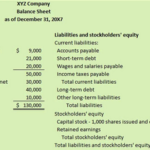
A classified balance sheet is a financial statement that breaks down assets, liabilities, and owner’s equity into specific subcategories. Unlike a simple (unclassified) balance sheet that lists everything in a single column, a classified balance sheet separates items by timeframe and type — making it far easier to assess a business’s short-term liquidity and long-term financial stability.
According to the Financial Accounting Standards Board (FASB), classified balance sheets are the standard presentation format under U.S. GAAP. Most lenders, investors, and CPAs expect this format when reviewing a small business’s financials.
Classified vs. Unclassified Balance Sheet
| Classified Balance Sheet | Unclassified Balance Sheet | |
|---|---|---|
| Organization | Grouped into subcategories (current, long-term) | Single list with no subcategories |
| Best for | Loan applications, investors, external reporting | Internal quick snapshots |
| Liquidity ratios | Easy to calculate (current ratio, quick ratio) | Requires manual sorting |
| GAAP compliance | Standard format under U.S. GAAP | Acceptable for internal use only |
The 5 Sections of a Classified Balance Sheet
1. Current Assets
Assets expected to be converted to cash or used up within 12 months. Listed in order of liquidity — cash first, then accounts receivable, inventory, and prepaid expenses.
Examples: Cash, accounts receivable, inventory, prepaid insurance, short-term investments.
2. Long-Term (Non-Current) Assets
Assets with a useful life beyond 12 months. Property, equipment, and vehicles are listed at cost minus accumulated depreciation. Intangible assets like patents and trademarks are also included here.
Examples: Equipment, vehicles, real estate, furniture, goodwill, patents.
3. Current Liabilities
Obligations due within 12 months. This section is critical for assessing short-term cash needs — lenders pay close attention to whether current assets cover current liabilities (the current ratio).
Examples: Accounts payable, accrued wages, short-term loans, sales tax payable, credit card balances.
4. Long-Term Liabilities
Obligations due more than 12 months from the balance sheet date. For most small businesses this is a business loan, SBA loan, or equipment financing.
Examples: SBA loans, mortgages, long-term notes payable, equipment financing.
5. Owner’s Equity (Stockholders’ Equity)
What the business owes to its owners after all liabilities are paid. For sole proprietors and LLCs this is “owner’s equity” or “member’s equity.” For corporations it’s “stockholders’ equity” and includes common stock, additional paid-in capital, and retained earnings.
Examples: Owner’s capital, retained earnings, common stock, drawings (as a reduction).
Classified Balance Sheet Example (Small Business)
Below is an example classified balance sheet for a fictional Seattle-based service business as of December 31, 2024.
| Apex Services LLC — Classified Balance Sheet As of December 31, 2024 |
|
|---|---|
| ASSETS | |
| Current Assets | |
| Cash and cash equivalents | $42,500 |
| Accounts receivable | $18,200 |
| Prepaid expenses | $3,100 |
| Total Current Assets | $63,800 |
| Long-Term Assets | |
| Equipment (at cost) | $55,000 |
| Less: accumulated depreciation | ($12,000) |
| Vehicle | $28,000 |
| Less: accumulated depreciation | ($8,400) |
| Total Long-Term Assets | $62,600 |
| TOTAL ASSETS | $126,400 |
| LIABILITIES | |
| Current Liabilities | |
| Accounts payable | $9,400 |
| Accrued wages payable | $4,200 |
| Sales tax payable | $1,100 |
| Current portion of long-term debt | $6,000 |
| Total Current Liabilities | $20,700 |
| Long-Term Liabilities | |
| SBA loan payable | $38,000 |
| Total Long-Term Liabilities | $38,000 |
| TOTAL LIABILITIES | $58,700 |
| OWNER’S EQUITY | |
| Owner’s capital | $45,000 |
| Retained earnings | $22,700 |
| Total Owner’s Equity | $67,700 |
| TOTAL LIABILITIES + OWNER’S EQUITY | $126,400 |
✓ Assets ($126,400) = Liabilities ($58,700) + Owner’s Equity ($67,700)
Key Ratios You Can Calculate from a Classified Balance Sheet
The subcategories in a classified balance sheet make it easy to calculate the ratios lenders and investors use most often.
Current Ratio
Measures ability to pay short-term obligations. A ratio above 1.0 means current assets cover current liabilities.
Current Assets ÷ Current Liabilities
$63,800 ÷ $20,700 = 3.08 ✅
Debt-to-Equity Ratio
Measures financial leverage. Lower ratios indicate less reliance on debt financing.
Total Liabilities ÷ Owner’s Equity
$58,700 ÷ $67,700 = 0.87 ✅
Working Capital
The cash buffer available after covering all short-term obligations. Positive working capital means the business can handle unexpected expenses.
Current Assets − Current Liabilities
$63,800 − $20,700 = $43,100 ✅
Quick Ratio
A stricter liquidity test that excludes inventory. Lenders use this to assess whether a business can cover immediate obligations without selling stock.
(Cash + Receivables) ÷ Current Liabilities
($42,500 + $18,200) ÷ $20,700 = 2.93 ✅
Common Mistakes Small Businesses Make on Their Balance Sheet
Mixing personal and business accounts
Personal expenses run through a business account distort both assets and equity. Lenders flag this immediately. Separate bank accounts and credit cards are non-negotiable.
Forgetting accumulated depreciation
Long-term assets must be listed at cost minus accumulated depreciation — not just purchase price. Overstating asset values inflates equity and misleads lenders.
Missing accrued liabilities
Wages earned but not yet paid, unpaid invoices, and accrued interest are current liabilities. Leaving them out understates your obligations and overstates equity.
Using cash-basis books for loan applications
Cash-basis accounting doesn’t capture accounts receivable or payable — so your balance sheet won’t reflect your true financial position. Most lenders require accrual-basis or modified accrual financials. If your books are on cash basis, your CPA or bookkeeper needs to make adjustments before you apply.
Need a Loan-Ready Balance Sheet?
An accurate classified balance sheet starts with clean books. If your QuickBooks isn’t reconciled monthly, your balance sheet won’t reflect reality — and lenders will notice. CentsIQ’s certified QuickBooks ProAdvisors serve small businesses in Seattle and King County with monthly bookkeeping and financial statement preparation.