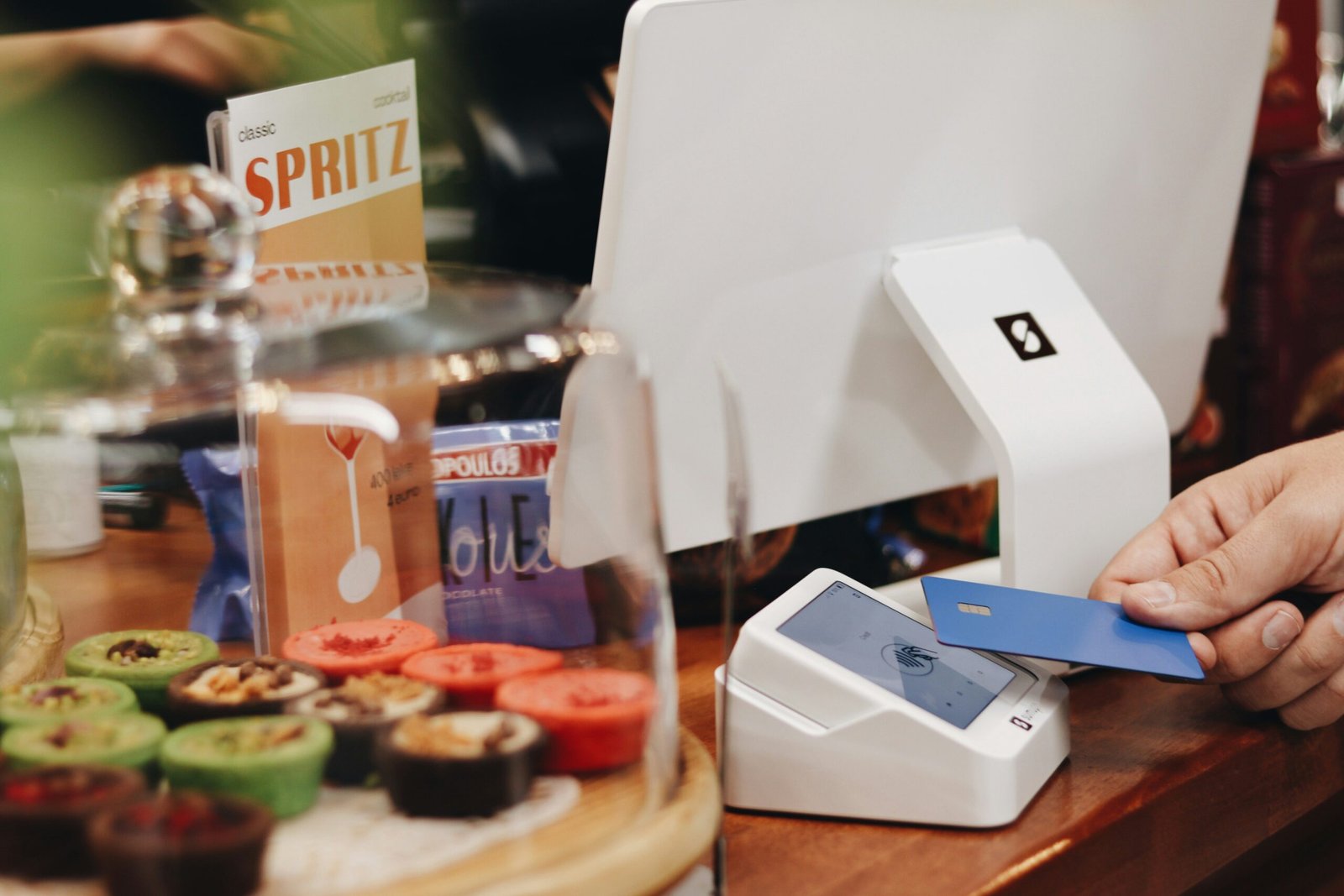
Intuit announced on July 22, 2026 the launch of the Intuit Business Credit Card, a World Elite Business Mastercard built to sync directly with QuickBooks. It’s Intuit’s first move into general-purpose business credit, following years of offering QuickBooks-linked bank accounts and payments tools.
What happened
The card is issued by WebBank on the Mastercard network and carries no annual fee. Cardholders earn 2% cash back on everyday purchases and 5% cash back on Intuit products and services. Approved applicants can get a virtual card ready to use — online or in a digital wallet — within about three minutes of approval, and businesses can issue unlimited employee cards with individualized spending limits and controls, plus real-time purchase notifications.
The headline feature is the QuickBooks integration: the card automatically creates the account and connects the bank feed, then syncs transactions, receipts, and statements, matching receipts to the right purchases without manual entry. Intuit is also layering in forward-looking, AI-driven spending insights on top of that data.
“The Intuit Business Credit Card gives businesses…a single, connected solution for spending, cash flow, and credit,” said David Hahn, Intuit’s EVP of the Services Group. Mastercard’s Eimear Creaven added that the partnership combines “Mastercard’s global acceptance, security, and World Elite Business benefits” with Intuit’s platform. Applying for the card does not affect the applicant’s personal credit score.
Why it matters
Reconciling credit card spend is one of the more tedious parts of bookkeeping — matching statement lines to receipts, categorizing employee purchases, and catching duplicate or missing entries. A card built to auto-sync directly into the ledger it feeds is Intuit betting that owning both the books and the spending account removes a chunk of that manual work entirely, and locks QuickBooks users a little more tightly into its ecosystem in the process.
What this means for small business owners
If you already run QuickBooks, this card is worth a look purely on the reconciliation-time savings — automatic receipt matching alone eliminates a recurring monthly task. But treat it like any other card decision: compare the 2%/5% cash-back structure against what you’re getting from your current card, and don’t switch just because it’s convenient. For businesses that issue several employee cards, the ability to set individualized limits and get real-time notifications is a genuine control upgrade over sharing a single company card.
One thing to watch: tying your spending account and your books to the same vendor concentrates risk. If you ever need to leave QuickBooks, or Intuit changes terms on the card, you’re unwinding two integrated systems instead of one.
“The Intuit Business Credit Card gives businesses…a single, connected solution for spending, cash flow, and credit.” — David Hahn, EVP, Services Group, Intuit
The bottom line
Intuit’s new card is a genuine convenience play for existing QuickBooks users, not a must-switch product for everyone else. Before applying, run the numbers on cash back versus your current card, and weigh the reconciliation-time savings against the tradeoff of deepening your dependence on a single vendor for both your books and your spending.